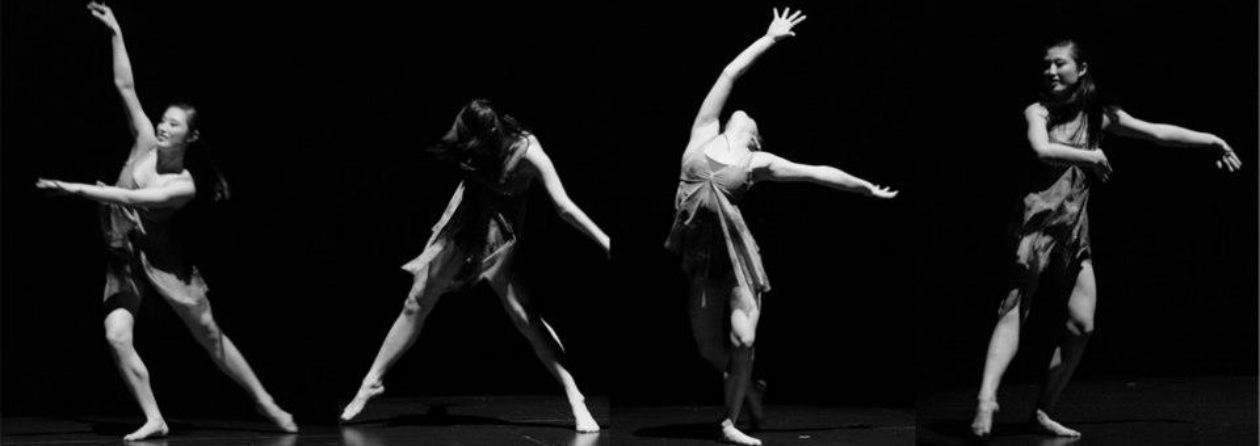
- Immersive artistry blossoms with https://shinywilds1.org and expansive digital realms
- The Allure of Immersive Storytelling
- Building Believable Worlds
- The Rise of Digital Art Communities
- Networking and Collaboration
- Tools Empowering Digital Creation
- The Role of Artificial Intelligence
- Exploring Virtual Worlds and Avatars
- The Future of Digital Art and Community
Immersive artistry blossoms with https://shinywilds1.org and expansive digital realms
https://shinywilds1.org. The digital landscape is constantly evolving, and within it, platforms dedicated to artistic expression and world-building are gaining significant traction. One such platform,
The core promise of these expansive digital realms lies in their ability to break down barriers to entry and democratize the creative process. Traditionally, artists often faced limitations imposed by geographical location, financial constraints, or access to resources. Platforms like this one circumvent these obstacles, providing a level playing field where talent and imagination reign supreme. The result is a diverse and dynamic ecosystem, brimming with originality and innovation, pushing the boundaries of what’s possible in digital art and community engagement. This isn't just about showcasing finished pieces; it's about the journey of creation, the exchange of ideas, and the forging of meaningful connections.
The Allure of Immersive Storytelling
Immersive storytelling is a cornerstone of the digital artistic explosion, and platforms centered around this concept are quickly becoming increasingly popular. This trend isn’t simply about consuming narratives; it’s about actively participating in them. The ability to shape the story, interact with characters, and explore richly detailed environments empowers audiences in a way that traditional media rarely achieves. This level of engagement fosters a deeper connection with the content, transforming passive viewers into active collaborators. The community aspect also amplifies the impact, with shared experiences and collective world-building elevating the storytelling potential. This is a departure from the traditional author-to-reader dynamic, creating a more symbiotic relationship between creator and audience.
Building Believable Worlds
Crafting a compelling immersive experience requires more than just a captivating narrative. The world itself must be believable, internally consistent, and inviting to exploration. Attention to detail is paramount; the environment, the inhabitants, the history – all elements must coalesce to create a sense of presence. Successful world-building incorporates elements of mythology, anthropology, and psychology, drawing inspiration from real-world cultures and historical events to ground even the most fantastical settings. The power lies in making the unreal feel real, giving audiences a sense of authentic immersion that transcends the boundaries of the screen. Detailed world-building inspires fan fiction, artwork, and collaborative expansions, further enriching the experience.
| Element of Worldbuilding | Importance |
|---|---|
| History & Lore | Provides context and depth |
| Geography & Environment | Shapes culture and possible interactions |
| Culture & Society | Defines characters and motivations |
| Magic/Technology System | Establishes rules and limitations |
The interplay between these elements is critical. A well-defined system of magic or technology, for example, can influence social structures and drive conflict, adding layers of complexity to the narrative. Platforms like
The Rise of Digital Art Communities
Beyond immersive storytelling, the proliferation of digital art communities provides artists with unprecedented opportunities for exposure, collaboration, and growth. These communities act as incubators for talent, fostering a supportive environment where artists can share their work, receive constructive criticism, and learn from one another. The accessibility of online platforms eliminates geographical barriers, connecting artists from around the globe and creating a truly global artistic network. This fosters cross-cultural exchange and the blending of diverse artistic styles. These online spaces are also valuable for networking, allowing artists to connect with potential clients, collaborators, and mentors.
Networking and Collaboration
The benefits of networking within a digital art community extend far beyond simply showcasing one's work. Collaboration is a crucial component of artistic development, allowing artists to learn new techniques, explore different perspectives, and push the boundaries of their own creativity. Many platforms offer dedicated spaces for artists to find collaborators, submit proposals for joint projects, and share resources. These collaborative partnerships can lead to the creation of entirely new forms of art, blending different skills and styles in innovative ways. A vibrant community provides a continuous source of inspiration and motivation, helping artists overcome creative blocks and stay engaged in their craft.
- Exposure to new styles and techniques
- Opportunities for constructive criticism
- Access to a supportive network of peers
- Potential for collaborative projects
- Increased visibility and audience reach
The strength of these communities lies in their inclusivity and willingness to embrace experimentation. Artists are encouraged to share works-in-progress, explore unconventional ideas, and challenge the status quo. This freedom of expression is essential for fostering innovation and driving the evolution of digital art.
Tools Empowering Digital Creation
The evolution of digital art wouldn't be possible without the development of increasingly sophisticated and user-friendly tools. From powerful image editing software to immersive 3D modeling programs, artists now have access to a vast array of resources at their fingertips. The availability of free and open-source software has further democratized the creative process, making it accessible to a wider range of individuals. Cloud-based platforms allow artists to collaborate seamlessly from anywhere in the world, regardless of their technical capabilities. These tools are constantly evolving, incorporating new features and technologies that push the boundaries of what’s possible in digital art. This ease of access encourages experimentation and accelerates the learning curve for aspiring artists.
The Role of Artificial Intelligence
The emergence of artificial intelligence (AI) is poised to revolutionize the digital art landscape even further. AI-powered tools can assist artists with a variety of tasks, from generating initial concepts and automating repetitive processes to enhancing image quality and creating entirely new forms of art. While some artists may view AI as a threat, it’s more accurately seen as a powerful new tool that can augment human creativity. AI can handle the technical complexities of art creation, freeing up artists to focus on the conceptual and emotional aspects of their work. The key lies in learning how to effectively integrate AI into the artistic workflow, harnessing its power to unlock new creative possibilities.
- AI can assist with initial concept generation.
- AI can automate repetitive tasks like background removal.
- AI can enhance image resolution and quality.
- AI can create unique visual effects and textures.
- AI can personalize the art experience for individual viewers.
These advancements are changing the way art is created, distributed, and consumed, offering exciting new opportunities for artists and audiences alike. Platforms that embrace these technologies will be at the forefront of this continuing digital revolution.
Exploring Virtual Worlds and Avatars
A compelling aspect of many digital art platforms revolves around the creation and exploration of virtual worlds, often populated by customizable avatars. These virtual spaces provide a unique outlet for self-expression and social interaction, allowing users to embody different personas and explore alternative realities. The ability to design and personalize avatars fosters a sense of ownership and identity within the virtual environment. These worlds can be used for a variety of purposes, from attending virtual events and concerts to simply socializing with friends and fellow artists. The immersive nature of these experiences creates a powerful sense of presence and connection, blurring the lines between the physical and digital worlds.
This form of expression transcends traditional limitations, allowing users to inhabit entirely new forms or explore personas unreachable in their daily lives. It's a space for experimentation with identity and the exploration of different social dynamics, a digital sandbox for self-discovery. The creators of these worlds are not just developers; they are architects of social environments, shaping the interactions and experiences of their users.
The Future of Digital Art and Community
The digital art landscape is poised for continued growth and innovation, driven by advancements in technology and the increasing desire for immersive and interactive experiences. We can expect to see a greater integration of virtual and augmented reality technologies, blurring the lines between the physical and digital worlds even further. The rise of the metaverse will create new opportunities for artists to showcase their work and connect with audiences in unprecedented ways. Furthermore, the exploration of blockchain technology and NFTs (Non-Fungible Tokens) is empowering artists with greater control over their intellectual property and providing new avenues for monetization. This shift towards decentralized art ownership is fundamentally changing the dynamics of the art market.
The success of platforms like